Creating a bathroom that feels calm, functional, and stylish starts with clear intent and smart choices. This guide on bathroom decor ideas brings together practical strategies and design principles that work in real homes. Whether your goal is a quick refresh or a full makeover, you can achieve a cohesive look that reflects your personality while improving daily usability.
Foundation: color palettes that breathe
Color sets the mood. Start with a neutral base—soft whites, warm grays, or creamy beiges—and introduce accent colors through towels, accessories, and wall art. In daylight bathrooms, cool neutrals feel fresh; in rooms with limited light, warmer neutrals prevent a dull vibe. A popular approach is to pair a crisp white tile with warm wood tones and a single saturated accent (for example, navy towels or forest-green vanity hardware). This strategy keeps the space flexible, so you can evolve decor without a full remodel.
Neutrals with intentional accents
Neutral walls are durable and timeless, but they can read flat without contrast. Introduce texture and color through accessories: a rattan basket, a brushed-nickel faucet, or a plant in a stone planter. When choosing tile, consider a mix: large-format porcelain for a seamless look on walls, paired with a smaller decorative tile as a backsplash or shower niche. The goal is balance, not monotony.
Layered lighting for form and function
Light is one of the most powerful decor tools. A well-lit bathroom feels larger and more welcoming. Use three layers of lighting: ambient general lighting, task lighting around the mirror, and accent lighting to highlight features like a framed mirror or a textured wall. Dimmers help you transition from bright morning routines to a relaxing evening soak. For color accuracy, select bulbs in the 2700K–3000K range to mimic natural warmth, which flatters skin tones and complements natural materials such as wood and stone.
Textures, materials, and tile choices
Mixing textures prevents a sterile look. Combine glossy and matte finishes—matte cabinetry with a polished countertop, or a matte tile with a shiny metal faucet. Introduce natural materials where possible: a stone countertop, wood vanity, or cork flooring for warmth. In showers, consider subway or herringbone tile patterns to add subtle interest without overwhelming the space. Even small touches, like a woven rug or a linen shower curtain, can make a big difference.
Storage that doubles as decor
Smart storage keeps the bathroom tidy, which instantly reads as higher-end decor. Choose cabinetry with soft-close hardware and adjustable shelves to adapt to your needs. Use open shelves to display curated items: neatly folded towels, neatly arranged skincare bottles, and a few decorative jars. Don’t forget hidden storage for daily essentials—an organized vanity keeps counters clear and visually calm. Matching containers in the same material tie the room together.
Focal points: statement pieces and accessories
A bold mirror, a sculptural light fixture, or a single piece of art can anchor the room. When selecting statement pieces, scale them to the space: oversized mirrors in large baths, or a compact, framed print in a narrow powder room. Metallic accents—brass, matte black, or brushed nickel—add personality when used consistently on hardware, faucets, and towel bars. Plants, especially hardy varieties like snake plants, bring life and color without demanding much care.
Tips for small bathrooms
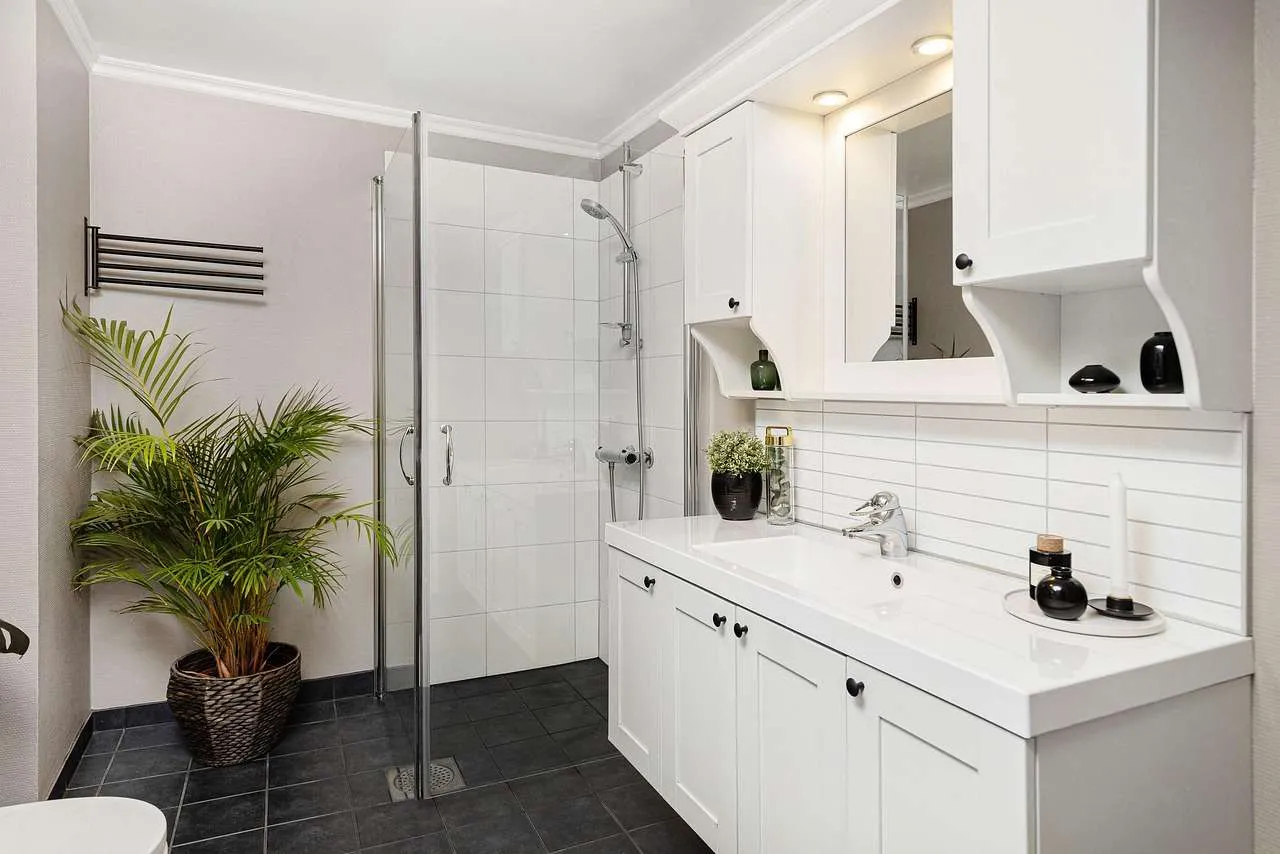
Small spaces benefit from reflective surfaces, light colors, and clever storage. Choose a pedestal or floating vanity to maximize floor visibility. Use corner shelves and a slim medicine cabinet to keep essentials within reach. A large mirror across the sink expands perception, while clear or frosted glass shower doors reduce visual bulk. Keep clutter to zero and use uniform organizers to create a streamlined, expansive feel.
Style comparison
| Style | Palette | Key Elements | Pros | Cons |
|---|---|---|---|---|
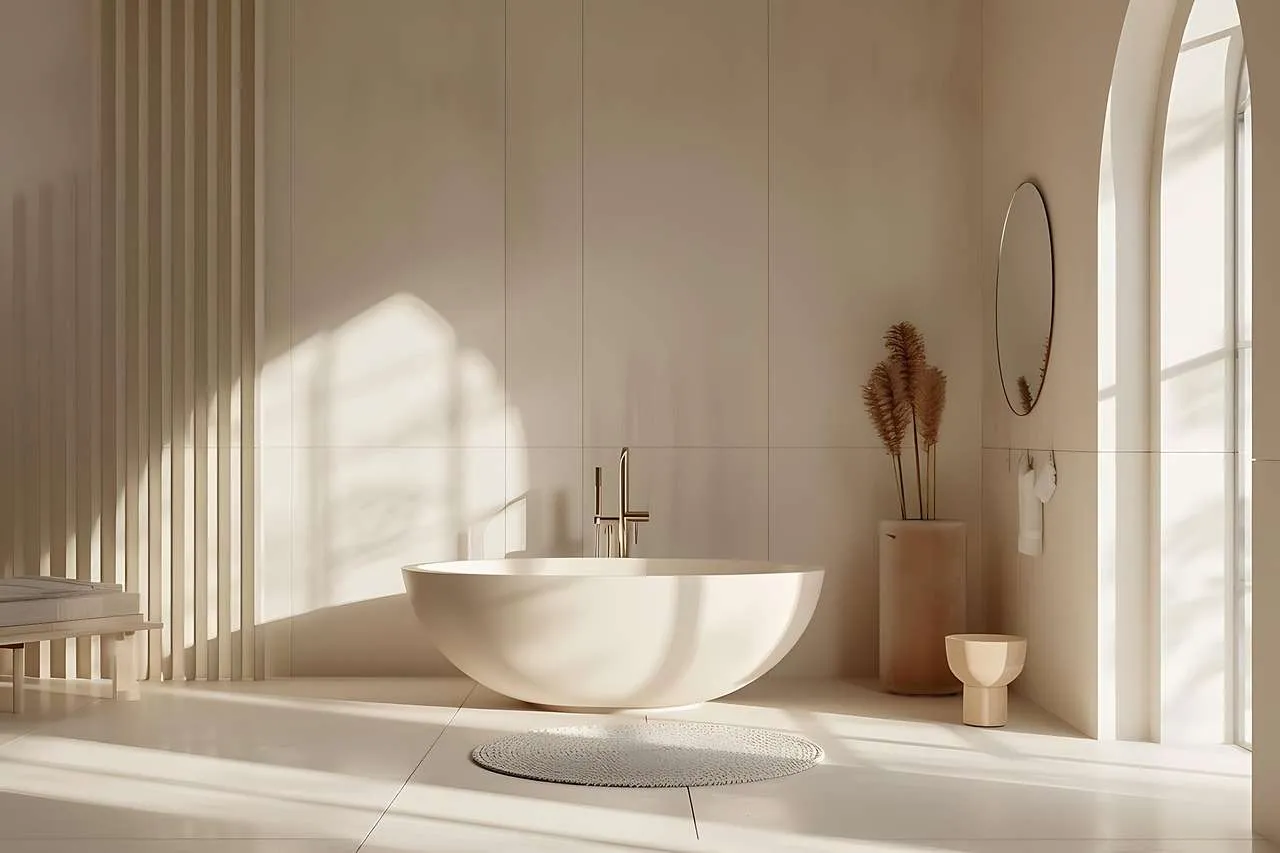
| Minimalist | White, black, cool neutrals | Clean lines, hidden storage, simple hardware | Calm, easy maintenance | Can feel clinical if overused |
| Coastal | Soft blues, whites, sand | Woven textures, light woods, sea-inspired accents | Bright, airy feel | Fades with heavy humidity exposure if not sealed |
| Modern Rustic | Earth tones, charcoal, warm wood | Stone features, matte metals, natural textures | Warm, contemporary charm | Requires thoughtful balance to avoid heaviness |
| Glam | Brass, marble, deep tones | Statement mirrors, luxe fixtures, bold hardware | High-end look | Overuse can overwhelm small spaces |
As a design professional with years of hands-on experience helping homeowners transform their baths, I emphasize the intersection of aesthetics and practicality. Each recommendation aims to improve daily use while delivering lasting style. Start with a plan: define your base palette, note your must-have items, and stage your space with the right lighting and storage. By layering color, texture, and texture, you create a bathroom that works as hard as it looks.
Conclusion: By focusing on cohesive color, layered lighting, tactile materials, smart storage, and thoughtful accents, bathroom decor ideas become a practical blueprint rather than a collection of isolated trends. Use the table as a quick reference to guide style choices, and adapt elements to your room size and budget. The key is to build a space you love returning to each day.
Summary: This guide covered core strategies for bathroom decor ideas including color palettes, lighting, textures, storage, focal points, and how to choose a style that fits your space. By combining expert tips with practical steps, you can achieve a cohesive, durable look that reflects your personality while staying functional.