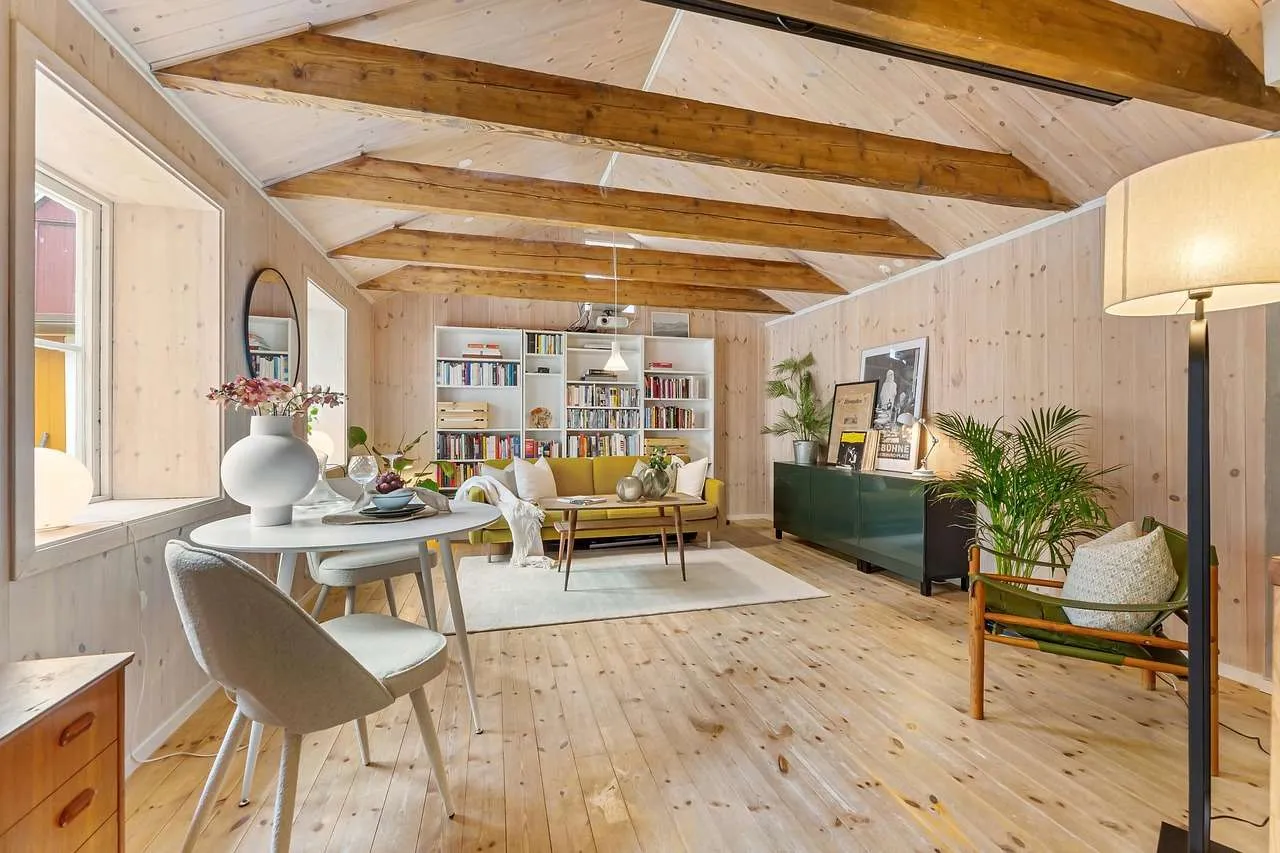
Home window tinting is a smart upgrade for modern homes seeking comfort, energy savings, and privacy. By applying a thin film to interior or exterior glass, homeowners can control heat gain, block harmful UV rays, and reduce glare without sacrificing natural light.
What is home window tinting?
Residential window films are manufactured in categories such as dyed, metalized, ceramic, carbon, and hybrid (nano-ceramic). The film is installed on the interior surface of glass and can be chosen with different Visible Light Transmission (VLT) levels to balance daylight with shade. For most homes, a professional installer ensures correct adhesion, edge sealing, and warranty eligibility.
Benefits of home window tinting
Energy efficiency and heat control
Tinted windows reduce solar heat gain, making rooms cooler in summer and decreasing the load on air conditioning. Depending on climate and film type, homeowners can expect noticeable energy savings and more consistent indoor temperatures throughout the day.
UV protection and furniture preservation
Most good residential films block up to 99% of ultraviolet rays, protecting flooring, fabrics, and artwork from fading. This extended protection also reduces occupant exposure to long-term UV risks.
Glare reduction and comfort
By limiting direct sun glare on screens and in bright living spaces, home window tinting improves comfort for daytime activities and reduces eye strain.
Privacy and safety
Tinted windows offer daytime privacy and can deter intruders. Some films also add a safety layer that holds glass together if shattered, reducing the risk of injury.
Types of residential window tint films
Choosing the right film depends on performance priorities and budget. The main options include dyed films (affordable but can fade), metalized films (excellent heat rejection but potential device interference), ceramic films (high performance with no signal interference), carbon films (non-reflective and durable), and hybrid or nano-ceramic films (balanced features).
Table: Comparison of tint film types
| Type | Light Transmission | UV Rejection | Heat Rejection | Pros | Cons |
|---|---|---|---|---|---|
| Dyed | 25–60% | Good | Moderate | Low cost | Fades over time |
| Metalized | Varies | Excellent UV | Excellent | Top heat rejection | Possible interference with electronics |
| Ceramic | Wide range | Excellent UV | Excellent | Non-metallic, preserves signals | Higher cost |
| Carbon | Wide range | Excellent UV | Good | Non-reflective, durable | Mid-to-high cost |
| Hybrid / Nano-Ceramic | Wide range | Excellent UV | Excellent | Balanced performance | Premium price |
How to choose the best tint for your home
Consider your climate, sun exposure, and the function of each room. For living areas with strong sun, a higher heat-rejection film may be worth the investment. Offices and media rooms may benefit from lower glare, while private spaces might require darker shades for daytime privacy. Also, factor in the aesthetic of your home’s exterior and interior design.
Legal and HOA considerations
Local regulations often specify minimum or maximum light transmission for street-facing windows. Some homeowners associations restrict reflective finishes or certain tints. Check municipal codes and HOA rules before purchasing or scheduling installation to avoid compliance issues and costly rework.
Professional installation vs DIY
Professional installation ensures proper film application, warranty coverage, and long-term performance. DIY kits exist but demand surface prep, patience, and careful handling to avoid bubbles, edge lifting, or warranty voids. Request samples, check warranties, and verify the installer is licensed and insured.
Maintenance, warranty, and cost
Maintenance is simple: clean with a glass-safe, ammonia-free cleaner and a soft cloth. Avoid abrasive sponges that can scratch the film. Most residential films carry a 10–15 year warranty against bubbling or discoloration, though some premium options offer longer coverage. Installation costs vary by film type, window size, number of panes, and local labor rates, typically ranging from a few hundred to several thousand dollars for entire homes.
Summary: Home window tinting delivers energy savings, UV protection, glare reduction, privacy, and improved comfort when selected and installed by a qualified professional. By understanding film types, checking local regulations, and choosing the right installer, homeowners can achieve durable results and a more comfortable living environment.