Choosing bathroom tile shapes the room's safety, feel, and long term maintenance. This guide covers the main tile types, installation basics, design ideas, and upkeep strategies to help homeowners pick a solution that fits both budget and lifestyle. With expert tips on material performance and trusted installation practices, you can achieve a durable, stylish bathroom tile project.
Understanding bathroom tile options
Ceramic and porcelain: The everyday workhorses
Ceramic and porcelain tiles are the most common choices for bathrooms due to cost, availability, and durability. Ceramic tiles are versatile, easier to cut and install, and ideal for walls and backsplashes. Porcelain tiles are denser, less porous, and better for floors and wet areas. Both come in a wide range of colors, patterns, and finishes. The main difference is water absorption and strength; porcelain is typically rated for higher water resistance and abrasion resistance.
Natural stone and other materials
Natural stones such as marble, travertine, and slate offer luxury and unique veining. They require proper sealing and periodic resealing to protect against moisture and stains. For high traffic or wet areas, reserve stone for walls or use porcelain or ceramic imitations. Glass tiles can brighten a space but require careful installation and are often used as accents. Concrete and cement tiles provide an industrial vibe; they may require sealing and maintenance to avoid staining.
Glazed vs unglazed tiles and slip resistance
Glazed tiles have a protective surface coating that adds color and texture while being easier to clean. Unglazed tiles show more natural variation and are typically slip resistant, but staining can be a concern with moisture exposure. For bathroom floors, choose tiles with a slip rating of at least R9 or higher, especially in wet areas such as showers and entryways.
Preparation and installation essentials
Before selecting tile, assess the substrate and moisture exposure. In wet zones, install a waterproofing membrane over a suitable backer board or slab. Choose a thinset mortar formulated for the tile material and ensure proper curing. Select grout based on moisture exposure; epoxy grout offers stain resistance for showers, while cementitious grout is more economical but needs sealing in some settings. Seal natural stone to protect against water and stains, and plan a maintenance schedule for resealing and regrouting as needed. For floors, consider slip resistance and thickness to withstand routine use.
Design ideas for size pattern and color
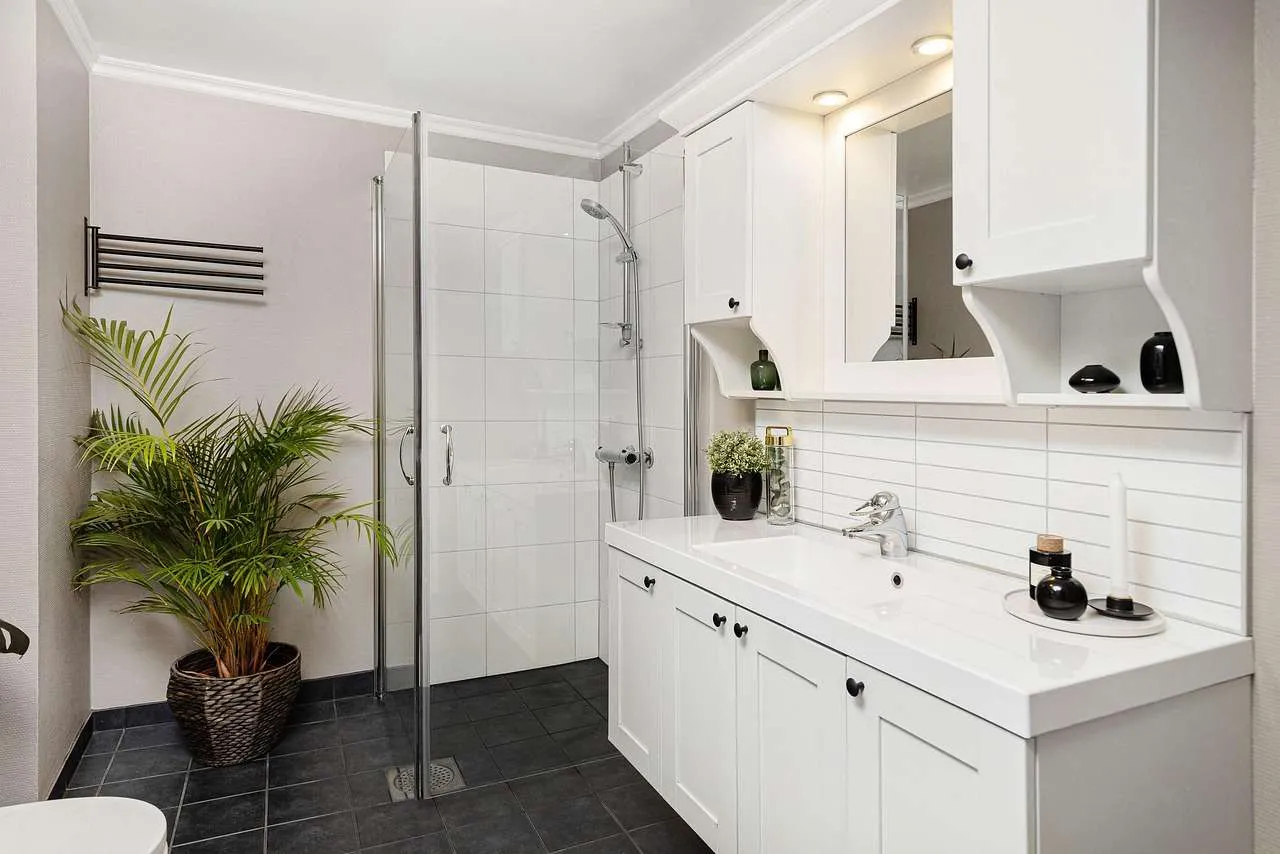
Tile size affects perceived space. Large formats such as 12x24 or 24x24 create a contemporary, seamless look and reduce grout lines. Subway and brick patterns offer timeless appeal, while herringbone and basket weave patterns add texture. Consider color schemes that complement vanity, cabinetry, and fixtures. Light neutral palettes brighten smaller baths; darker tones create drama in larger rooms. Use accent mosaics or a glass tile stripe to add focal points without overwhelming the space.
Maintenance and longevity
Proper cleaning extends tile life and keeps grout looking fresh. For ceramic and porcelain, mop with a mild pH neutral cleaner. Seal natural stone after installation and reseal per manufacturer guidelines. Epoxy grout resists staining but can be harder to install and repair. Regularly check grout for cracks and regrout where necessary to prevent water intrusion. In showers, ensure good ventilation to minimize mildew and mold growth.
Cost and budgeting
Tile cost varies by material, size, and pattern. On average, ceramic tile can cost as little as a few dollars per square foot, while porcelain ranges higher. Natural stone adds significant material cost and ongoing maintenance. Installation labor adds to the total; DIY installation saves on labor but requires time and skill. When budgeting, include waterproofing membranes, backer board, underlayment, thinset, grout, sealant, and potential removal of existing tile. For lasting value, plan for a durable tile and high quality grout suitable for moisture exposure.
Comparison of common tile types
| Type | Pros | Cons | Typical Cost per ft2 | Best For | Maintenance |
|---|---|---|---|---|---|
| Ceramic | Affordable, versatile | Less durable than porcelain | 1-4 | Wall backsplashes, floors in dry zones | Low maintenance; easy cleaning |
| Porcelain | Dense, water resistant | Harder to cut; heavier | 2-6 | Floors, showers, wet areas | Easy to clean; grout maintenance similar to ceramic |
| Natural Stone | Luxurious look; unique veining | Sealing required; porous | 5-15 | Showers niche walls, bathroom floors with seal | Seal and reseal; more maintenance |
| Glass | Bright, reflective; modern | Installation precision; grout shows grime | 7-20 | Accent walls, showers, mosaics | Prompt cleaning; occasional regrouting |
| Cement | Industrial, durable | Porous; color wear | 4-12 | Bold statement floors and walls | Sealing; maintenance varies |
Note: All costs are approximate and vary by region and product line. When planning a bathroom tile project, consult local suppliers and installers for precise pricing and recommendations that fit your space and climate.
Conclusion, selecting bathroom tile balances durability, maintenance, and design. Ceramic and porcelain cover most budgets, natural stone adds luxury with proper sealing, and thoughtful layouts—from large formats to classic patterns—define the look. Prioritize surface prep, waterproofing, and appropriate grout to achieve a long lasting, low maintenance tile installation.